It’s hard to avoid the topic of Artificial Intelligence (AI) today. It’s creating fortunes for investors in companies like Nvidia, consuming enough power to supply several small cities, and dramatically changing the nature of many white-collar jobs. It’s also transforming how we interact with businesses every day—who hasn’t dealt with an often frustrating chatbot or automated system when trying to reach customer support?
Working in the data and analytics space, I see countless opportunities to apply AI and truly move from analytics to actionable insights. But, like any successful project, you need a solid foundation to deploy AI effectively. That foundation is quality data. Without it, your ability to scale and unlock value is limited.
I often say this—and hear it even more—so it’s worth defining what I mean by “good data.” Here are a few key guideposts to consider when evaluating the data you plan to use to train an AI model:
1. Is the data accurate?
Does it clearly and correctly describe the transactions of a business process or metric? For example:
- Invoiced sales: Does the data include all relevant invoices with product, price, and other details so it aligns with reporting from your ERP or accounting system?
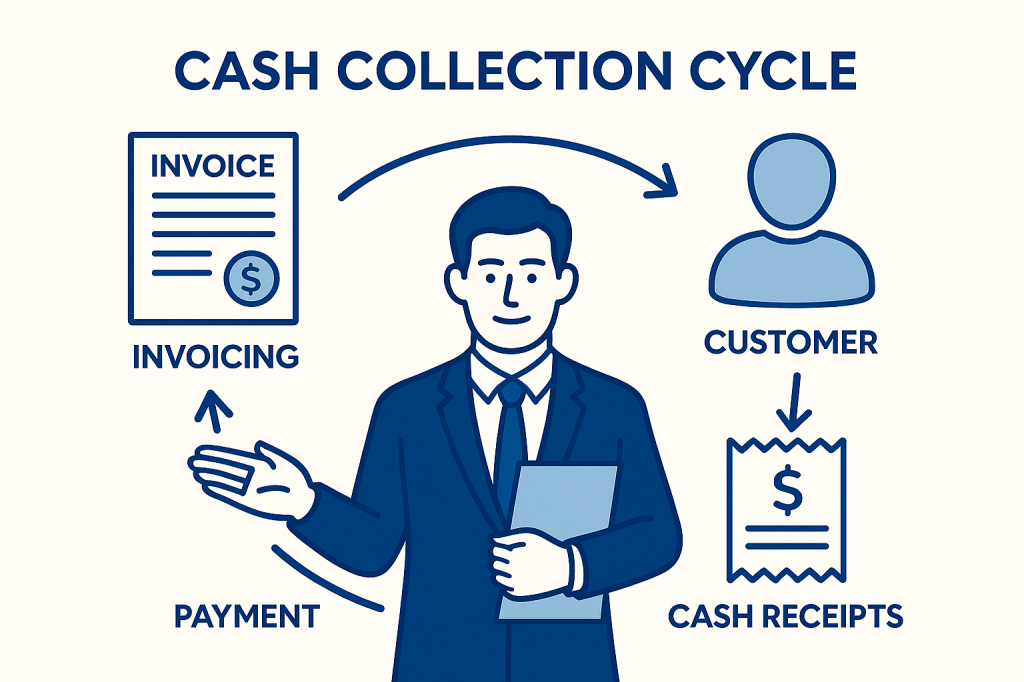
- Cash collection: Does the data show payment terms, invoice dates, and when customer payments were received and applied? Can you calculate time-to-pay and classify outstanding invoices by aging?
- Gross margin: Do your costs accurately represent both direct and indirect expenses for producing a product or delivering a service?
- Marketing: Is your lead generation data accurate? Are leads correctly tied to campaigns? Do you have precise campaign cost data?
2. Is the data timely?
Does it refresh regularly so it reflects what’s happening in your organization now?
3. Is the data actionable and accessible?
Is it stored in a location or tool that allows people to see it, use it, and act on it? Does it provide valuable insights—or can it be leveraged to generate insights?
All these factors point to one truth: you need quality data that accurately represents your organization’s reality to fully leverage AI and ML capabilities. Think of your data as a digital representation of your business.
The Real-World Challenge
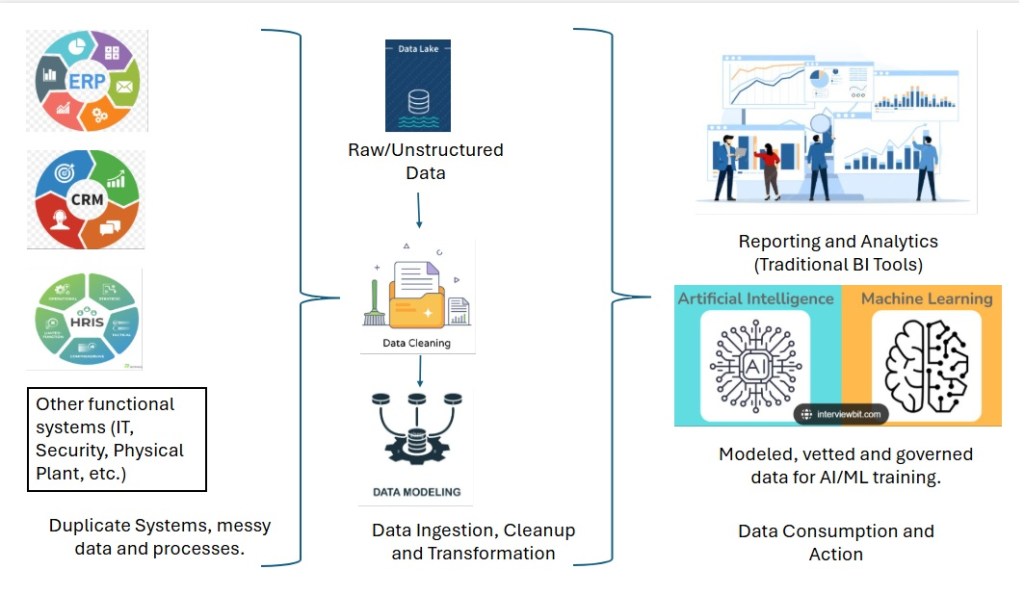
In theory, this sounds great. But in practice, things are often messy. Organizations typically operate with a patchwork of disparate systems—some brought in for specific purposes, others duplicating functions depending on the team using them. Add to that inconsistent practices across departments, and you have a recipe for complexity.
This is where the value of data preparation truly comes into play—and where tools like Snowflake and dbt shine. While less glamorous, this work ensures you have the right information to train an AI/ML tool and that the insights it provides are based on accurate, reliable data.
There’s much more to explore beyond this—such as process alignment, standardization, and selecting the right tools for each stage—but this framework is a strong starting point. Adopting AI tools at the right time and in the right way will help you unlock real value for your organization.
If you’d like to discuss where you are in your AI journey and explore next steps, please reach out! I’d love to talk about data and how building a strong foundation makes it easier to extract value from AI tools.
shawn@smartscaleanalytics.com
 Smart Scale Analytics
Leave a comment